
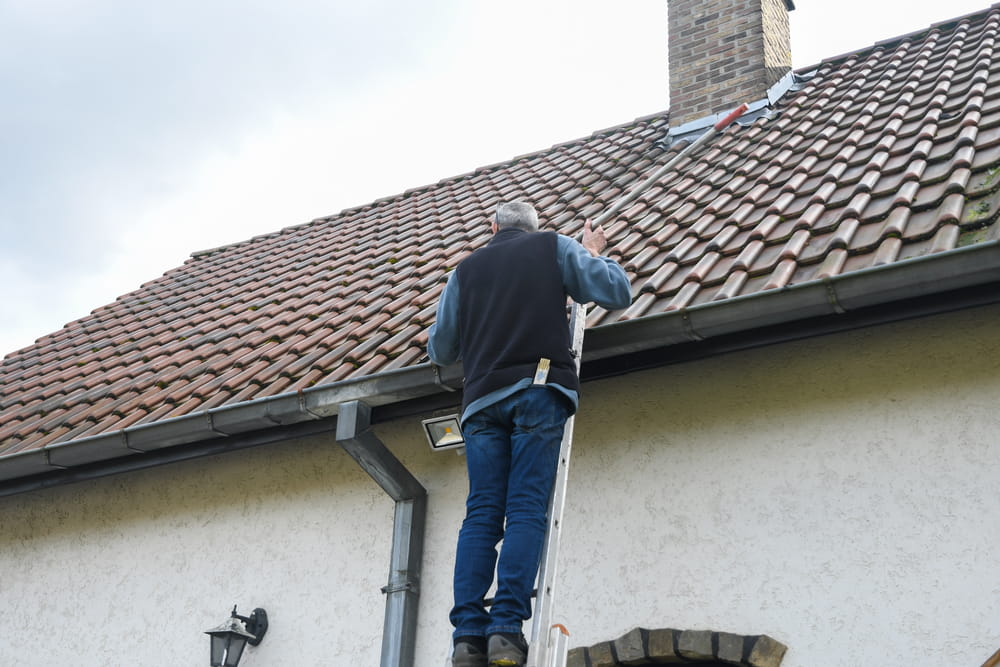
Cleaning your roof may look simple from the ground. You see black streaks, moss, leaves, or dirt, and it feels like something you could handle with a ladder, a hose, and a few cleaning products. For many homeowners, the idea of saving money makes the DIY route even more tempting.
However, roof cleaning is not the same as washing a driveway or rinsing patio furniture. Roofs are elevated, sloped, and made from materials that can suffer damage when cleaned the wrong way. A small mistake can lead to injuries, leaks, broken shingles, or expensive repairs.
Before climbing onto your roof or using store-bought products, it helps to understand why DIY roof cleaning can create more problems than it solves.
The Safety Risk Is Serious
The biggest concern with DIY roof cleaning is personal safety. Roofs can be slippery even before water or a cleaning solution gets involved. Add algae, moss, wet leaves, or soap, and the surface becomes even harder to walk on.
A ladder also adds risk. It may shift, sit unevenly, or become unstable while you carry equipment. Even a one-story roof can cause a serious injury if you fall.
Professionals use safety gear, proper ladders, controlled equipment, and techniques that reduce risk. They also understand how to move around different roof types. For most homeowners, the risk of climbing onto a roof is not worth the potential savings.
High Pressure Can Damage Shingles
Many people assume stronger pressure means better cleaning. On a roof, that idea can backfire quickly. Asphalt shingles have protective granules that help shield the roof from the sun, rain, and wear. A pressure washer can strip those granules away.
Once shingles lose granules, they become more vulnerable to weather damage. High pressure can also loosen shingles, force water underneath the roofing material, or damage flashing around vents, chimneys, and skylights.
Professional roof cleaning often uses soft washing instead of heavy pressure. This method relies on low pressure and proper cleaning solutions to treat stains and organic growth without blasting the roof surface.
The Wrong Chemicals Can Cause Damage
Store-bought cleaners may seem convenient, but not every product belongs on a roof. Some chemicals can stain siding, harm plants, damage gutters, or leave residue behind. Others may not fully treat algae, moss, or mildew, which means the problem can return quickly.
Using too much cleaner can create runoff issues. Using too little may not solve the problem. Mixing products can also create dangerous fumes or reactions.
A trained roof cleaning technician knows how to choose the right solution, apply it safely, and protect nearby surfaces. That includes rinsing plants, controlling runoff, and avoiding products that may harm your home’s exterior.
Walking on the Roof Can Create Wear
Even if you feel comfortable with heights, walking on a roof can still cause damage. Foot traffic may crack older shingles, loosen tiles, or disturb weak areas. On some roofs, stepping in the wrong spot can cause noticeable damage.
This risk increases when the roof already has moss, soft spots, or aging materials. What looks like a sturdy surface from below may not handle weight well.
Professional cleaners often use methods that limit unnecessary walking. They also know where to step and how to avoid fragile sections. DIY work can unintentionally turn a cleaning project into a repair job.
Moss Removal Requires Patience
Moss can make homeowners want to scrape, scrub, or pull it off right away. That can damage the roof. Moss attaches to the surface, and aggressive removal can tear granules from shingles or lift edges.
Safe moss treatment often takes time. A professional may apply a solution that kills the growth first, then allow it to release naturally or remove it carefully. This helps protect the roof while still addressing the problem.
DIY roof cleaning often becomes too forceful because homeowners want instant results. Unfortunately, quick removal can sometimes cause more harm than the moss itself.
Water Can End Up Where It Should Not
A roof is designed to shed water from above, not handle water pushed upward or sideways under pressure. When homeowners use a hose or pressure washer at the wrong angle, water can travel beneath shingles, behind flashing, or into small openings.
That moisture may not show up right away. It can settle under the roof surface, reach the attic, or contribute to mold and wood rot over time.
Proper roof cleaning keeps water movement in mind. Professionals understand where water should flow and how to avoid forcing it into vulnerable areas.
DIY Cleaning May Not Solve the Root Problem
A roof can look cleaner after a quick rinse, but surface improvement does not always mean the problem is gone. Algae, mildew, and moss need proper treatment. If growth remains active, stains can return sooner than expected.
Some homeowners remove visible dirt but leave behind spores or organic growth. Others clean one section and miss hidden areas near valleys, vents, or shaded corners.
Professional cleaning focuses on treating the cause of the staining, not just the appearance. That makes the results more effective and helps slow regrowth.
You May Miss Signs of Roof Damage
Roof cleaning gives professionals a chance to notice issues that homeowners may overlook. Missing shingles, cracked seals, damaged flashing, soft areas, clogged valleys, and worn sections can all hide under dirt or growth.
A homeowner focused only on removing stains may miss these warning signs. Worse, DIY cleaning can make an existing issue worse without anyone realizing it.
A professional does not replace a roofer, but they can often point out visible concerns that deserve attention. That extra set of trained eyes can help you catch problems earlier.
Professional Cleaning Is Usually the Safer Choice
DIY roof cleaning can seem like a simple weekend project, but it comes with real risks. Falls, roof damage, chemical mistakes, water intrusion, and incomplete cleaning can all turn a small task into a costly problem.
Professional roof cleaning offers a safer, more controlled approach. The right team can clean the roof with proper equipment, low-pressure methods, and solutions designed for exterior surfaces.
After learning why DIY cleaning can be risky, the next step is knowing how to choose the right company. Read Questions to Ask Before Hiring a Roof Cleaning Company to understand what homeowners should look for before scheduling service.
For safe exterior cleaning from a team that understands proper soft washing methods, Great American Soft Wash offers professional roof cleaning designed to treat stains and buildup without unnecessary risk to your home.