
Cincinnati, OH, has a history that shows up everywhere. It appears in grand buildings, old markets, riverfront views, bridges, theaters, museums, and neighborhoods that still carry the character of earlier generations. For visitors, these landmarks offer a meaningful way to understand the city. For locals, they serve as reminders of how much Cincinnati has shaped, preserved, and carried forward.
What makes the city’s historic places so interesting is their variety. Some landmarks feel elegant and dramatic. Others feel practical, busy, and connected to everyday life. Together, they help tell the story of Cincinnati, OH, as a river city, cultural center, sports town, immigrant hub, and growing Midwest destination.
Cincinnati Music Hall
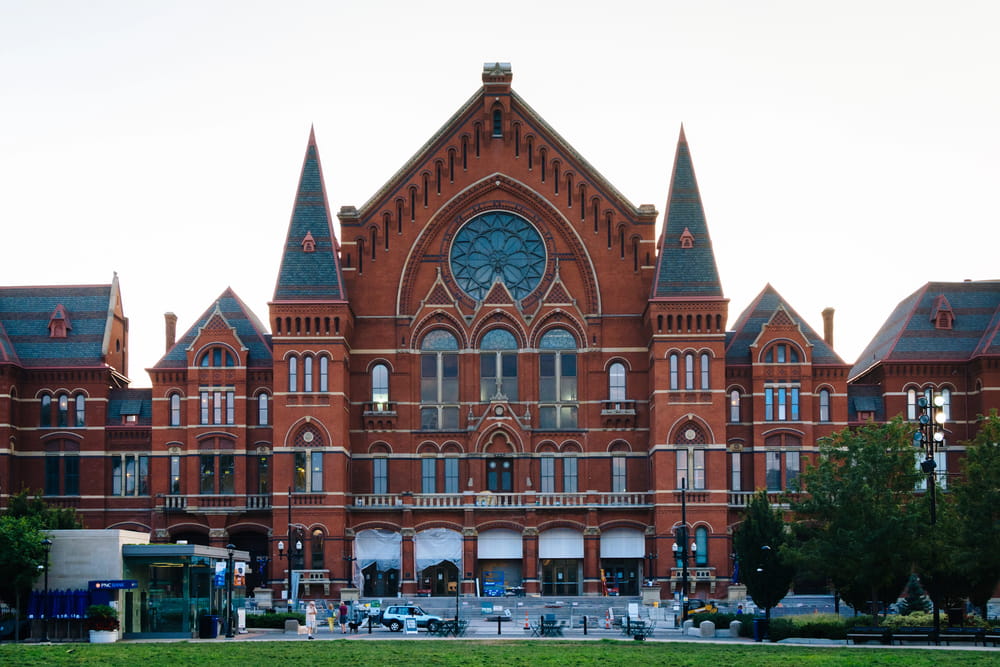
Cincinnati Music Hall is one of the city’s most recognizable historic landmarks. Located in Over-the-Rhine, the building stands out for its striking architecture and deep connection to the arts.
The hall has hosted concerts, performances, and major cultural events for generations. Its design gives the area a dramatic visual anchor, while its role in the community keeps it active and relevant. For anyone interested in architecture, music, or Cincinnati’s cultural history, Music Hall deserves a spot near the top of the list.
It also shows how Cincinnati, OH, continues to use historic spaces in meaningful ways instead of leaving them frozen in the past.
Union Terminal
Union Terminal is another landmark that leaves a lasting impression. Its Art Deco design, large half-dome shape, and historic role as a train station make it one of the most iconic buildings in the region.
Today, Union Terminal is home to the Cincinnati Museum Center, which gives visitors several ways to explore history, science, and culture in one location. The building itself remains a major part of the experience. From the exterior to the interior murals, it feels both impressive and deeply tied to the city’s story.
For families, first-time visitors, and history lovers, Union Terminal is one of the best places to experience Cincinnati, OH, memorably.
Findlay Market
Findlay Market is more than a place to shop. It is one of the oldest and most beloved public markets in the city, and it continues to play an active role in local life.
The market brings together food vendors, small businesses, local products, and community activity in a historic setting. People visit for groceries, lunch, weekend outings, and a lively neighborhood atmosphere.
Findlay Market works especially well as a landmark because it does not feel like a museum. It feels alive. That active use helps people connect with the history of Cincinnati, OH, through food, conversation, and local business.
Roebling Suspension Bridge
The Roebling Suspension Bridge is one of Cincinnati’s most photographed and meaningful landmarks. Connecting Cincinnati to Covington, Kentucky, the bridge offers beautiful views of the Ohio River, downtown skyline, and riverfront.
Its design and history make it especially important. The bridge reflects the city’s connection to transportation, trade, engineering, and the river. Walking across it gives visitors a slower, more personal way to experience the landscape.
For anyone exploring downtown or The Banks, the bridge is an easy and worthwhile stop. It gives Cincinnati, OH, a distinct riverfront identity that separates it from many other Midwest cities.
Carew Tower
Carew Tower has long been part of Cincinnati’s skyline. Its architecture, central location, and historic importance make it a classic downtown landmark.
For many years, the tower represented the city’s business energy and urban growth. Its design reflects an earlier era of downtown development, when tall buildings helped define a city’s ambition and presence.
Even as new projects continue to change Cincinnati, OH, Carew Tower remains part of the city’s visual identity. It reminds visitors that Cincinnati has been an important commercial and cultural center for a long time.
Fountain Square
Fountain Square is one of the city’s most familiar public gathering places. Located in the heart of downtown, it has hosted events, concerts, celebrations, lunches, and everyday meetups for generations.
The Tyler Davidson Fountain gives the square its historic centerpiece. Around it, downtown activity continues to shift and grow. That mix of old and new makes Fountain Square a helpful stop for anyone who wants to understand how Cincinnati uses its public spaces.
It is not only a landmark. It is a place where the city still comes together.
Eden Park and the Cincinnati Art Museum
Eden Park offers a different kind of historic experience. The park provides scenic views, green space, walking areas, and access to major cultural destinations, including the Cincinnati Art Museum.
The area gives visitors a chance to enjoy both nature and history. The museum itself adds depth through its collections, architecture, and long-standing role in the local arts scene.
For people who want a quieter way to experience Cincinnati, OH, Eden Park is a strong choice. It shows how the city blends outdoor beauty with cultural value.
Historic Landmarks Show Cincinnati’s Deeper Story
The best landmarks in Cincinnati are not just beautiful places to visit. They help explain the city’s identity. Music Hall highlights the arts. Union Terminal reflects transportation and design. Findlay Market shows community and food culture. The Roebling Suspension Bridge connects the city to the river. Fountain Square shows the importance of public gathering spaces.
Together, these places reveal why Cincinnati, OH, feels so layered. It is not a city built around one attraction or one era. It has many stories, and its landmarks help make those stories visible.
For a broader look at how the city continues to grow and gain attention, return to Why Cincinnati Is Becoming One of the Midwest’s Most Talked-About Cities. That blog brings the silo full circle by connecting Cincinnati’s history, neighborhoods, riverfront, food scene, and modern momentum.
Preserving Local Pride, One Property at a Time
Historic landmarks remind people how much care goes into preserving a city’s character. That same idea applies on a smaller scale to homes, storefronts, walkways, patios, and outdoor spaces. Clean, well-maintained properties help neighborhoods feel more welcoming and cared for.
For local homeowners and businesses, Great American Soft Wash provides professional pressure washing services that help refresh driveways, siding, roofs, patios, and exterior surfaces.
Cincinnati, OH, has earned attention because it protects its history while continuing to move forward. Its landmarks give people a reason to slow down, look closer, and appreciate the details that make the city special.